



Before you get your air conditioner maintenance
You're guessing whether that cover is helping or hurting, and the unit sits all winter with nobody checking what's nesting under it.
A local pro who services air conditioners gets in touch about the tune-up.
Get matchedYour air conditioner sits outside through a California winter that rarely gets harsh. No snow piling on it, no ice to worry about. But you've seen the covers sold for this and wonder if your unit needs one before you leave it alone until spring.
A central air conditioner is built to sit outside year round. The cabinet and coil are made for rain and sun, not just summer. Covering the whole unit traps moisture underneath, and that moisture sits against the coil and the wiring instead of drying out. It also gives mice and other small animals a sheltered place to nest against the cabinet, which causes more damage than an open California winter ever does. If anything needs covering, it's just the top, to keep leaves and debris out of the fan opening, and only if you can remove it before the unit runs again. The sides should stay open so air moves through freely.





Skip the cover, or use one that only shields the top. A full cover traps moisture against the coil and the cabinet. Mice and other small animals look for a dry place to nest, and a wrapped condenser is an easy one. By the time you pull the cover off in spring, you may find a nest in the fan housing or chewed wire insulation you didn't have before.
If you want to check your unit before summer, that's worth doing, and it's easier to catch a problem now than in July when every AC contractor in your area is booked solid. A local contractor who services units through your winters knows what shows up after a wet season here, a stuck capacitor, corrosion on the contactor, debris packed into the coil fins. Getting matched with one contractor near you, rather than several at once, means one visit, one assessment of your actual unit.

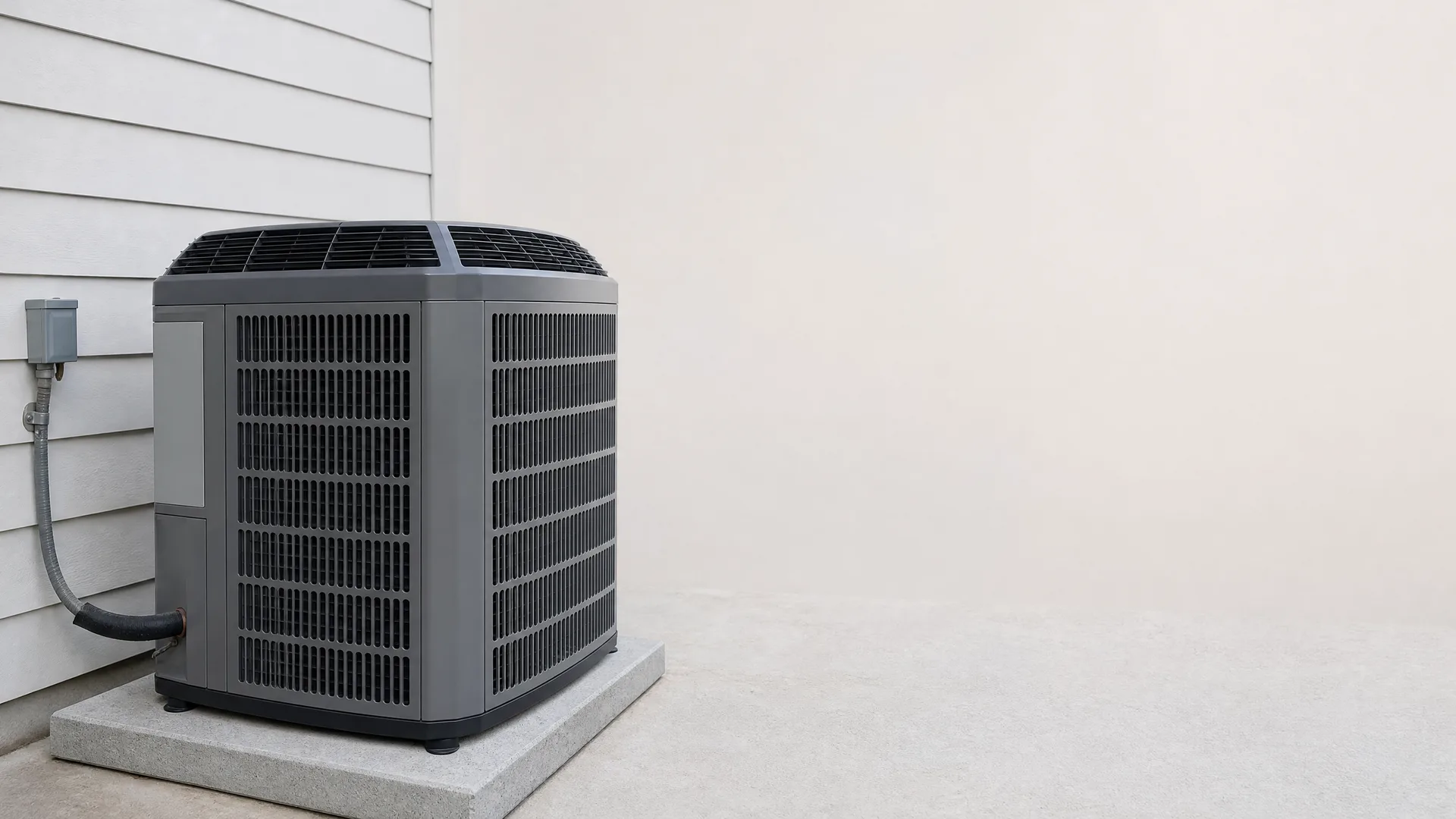
Your condenser's coil and fan are built to sit outside year round, rain included. Manufacturers design them for it. What the coil doesn't handle well is still, damp air trapped against it for weeks, which is exactly what a full cover creates. The metal stays wet longer, and that's when corrosion starts. Leaving the unit uncovered lets wind and sun dry it out between storms, the same way it does all summer.
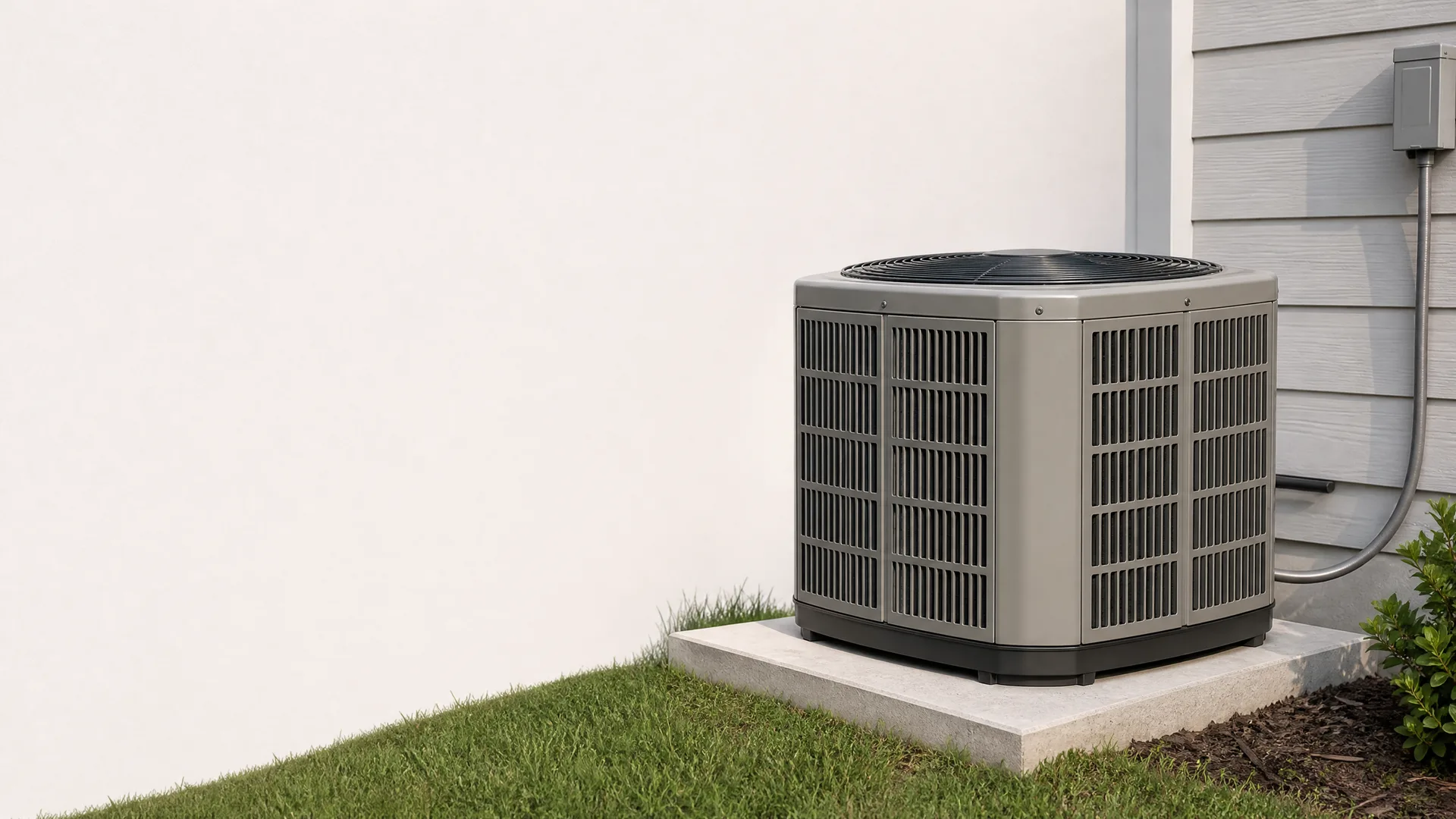
Walk out to the unit sometime in February or March and look at the top and sides for leaves, palm fronds, or a season's worth of dust. A shop vac or a hose can clear most of it. If you find animal droppings or chewed insulation on the wiring, that's worth having a contractor look at before you switch the system on in April or May, rather than finding out the hard way on the first hot day.
Walk out and look at your condenser before spring gets here. If it's been wrapped all winter, check for a musty smell when you get close, or droppings around the base. Lift any cover and look for a nest tucked near the fan or the coil. A chewed wire is the real cost here. It can mean the unit won't start at all when you need it in April, or it trips the breaker and you're calling someone before the first warm week even gets going. None of this shows from the driveway. You have to open it up and look.
A full cover traps moisture against the coil all winter.
Damp metal sits that way for weeks with no airflow.
Mice find the dry, sheltered gap and move in.
Spring arrives and the unit starts up full of debris.


A licensed local pro takes the request for your air conditioner tune-up.
It costs nothing to send, and you don't have to hire anyone.
A full cover keeps the unit dry and out of sight all winter, which feels like the safer choice if you're used to covering a grill or patio furniture.
Your condenser isn't a grill. It's built to take rain and sit in open air, and a full cover does more harm than a California winter ever would.


You're guessing whether that cover is helping or hurting, and the unit sits all winter with nobody checking what's nesting under it.
A licensed local contractor who works on these units every season checks the coil and cabinet, so spring startup isn't a surprise.
At 31.35 cents per kilowatt-hour, every cycle your air conditioner runs this summer costs more here than almost anywhere else. A condenser that sat under a full cover all winter and started up dirty or nesting with debris has to work harder to cool your house, and you pay for that on every bill.
EIA-861 2025 statewide residential average
Leave your condenser uncovered, or use a top-only cover if you want to keep leaves out of it, and you'll start summer with a unit that runs the way it's supposed to. A full cover is the one thing that can turn a quiet California winter into a spring problem you didn't have to have. When you request a visit, you're matched with one licensed contractor local to you, not a handful of companies competing for the callback. Someone who services condensers in your area all year knows what a winter under a cover usually leaves behind, and what a cabinet that sat out in the open looks like by comparison. That's the difference between a guess and a technician who's seen this exact setup before. Your air conditioner is built to sit outside through the winter as it is. The only real decision left is whether to have it looked at before it has to work for you again.

Matched to your air conditioner job



